Explosive Diarrhea and Locally Grown - What to Know
NOTE: At the time this was written, the FDA believed they had found the source for the cyclosporiasis outbreak of “explosive diarrhea.” Further testing of the farm revealed a false positive. The search remains. Nonetheless, purchasing fruits and vegetables from local, trusted sources is important in purchasing fruits and vegetables. This is a revised edition of this post…..
It should be noted that there have been other such food concerns in the past and there will most likely be more in the future.
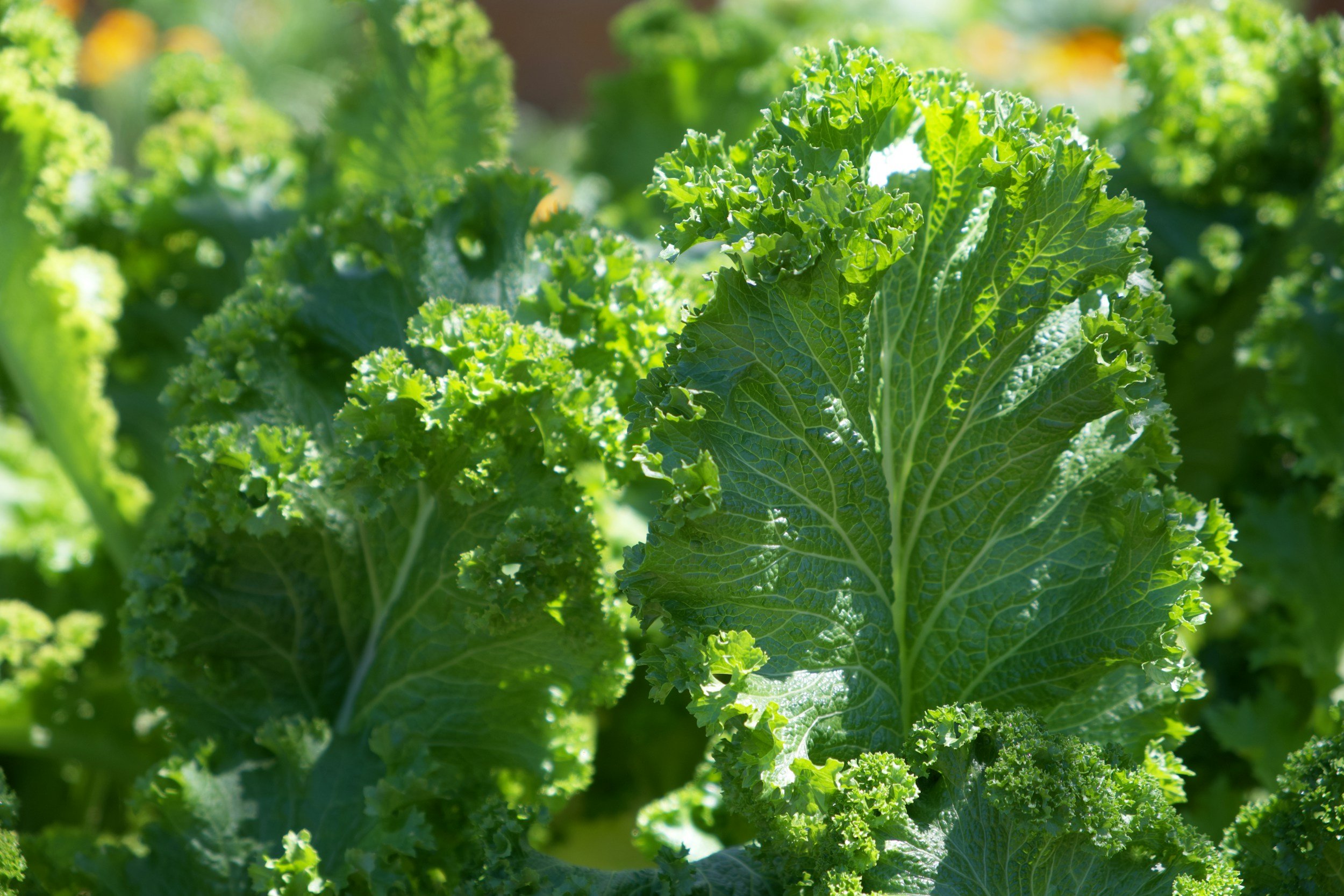
Why is the focus on leafy greens, lettuce and raspberries?
When the outbreak first hit, officials cautioned consumers about leafy greens, lettuce and raspberries because similar outbreaks in the past were linked to those particular vegetables and fruit.
•First, know the cause!
Cyclosporiasis is the parasite infection that causes “explosive diarrhea.”
-It’s found in contaminated water namely water that is contaminated with human feces. Interesting neither animal feces or chemical runoff cause these infections.
Water can become contaminated through failed infrastructure like aging sewer lines, compromised wastewater treatment plants or failing household septic systems that can leak untreated human sewage directly into local rivers, lakes and streams.
Heavy rainfall and flooding can be part of the issue as well as it compromises sewage systems.
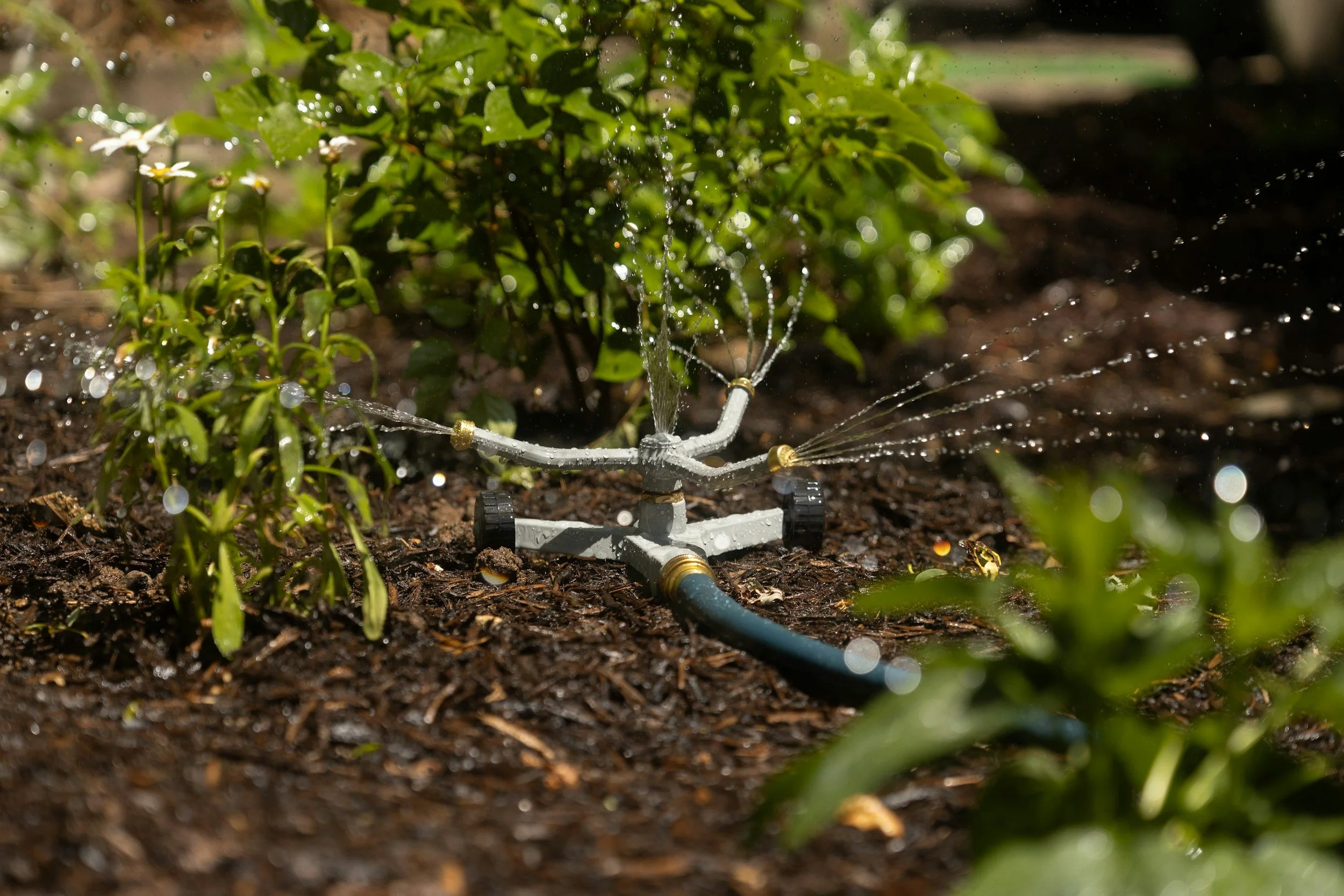
Cyclosporiasis can reach produce if producers, pumping water from open ponds that are infected, use that water to irrigate.
But what should I do as a consumer especially when it comes to buying locally grown?
Here are a few things to consider about food safety when you go to the market…..
•Talk to your grower!
Ask how they water produce.
Well water, especially from deep wells, is inherently safer.
As the writer of The Local Growers, I have visited the farms and talked to the producers as I have shared their stories. I have seen their irrigation systems and am confident of their methods.
I have developed connections beyond the interviews and feel I have made good friends of these producers.
But you need to do the same. Growers are interested in sharing their story and production methods. They put in a lot of hard work. Start the conversations.
I saw on Facebook one grower - Doubting Thomas Farms - address cyclosporiasis concerns with them noting the farm has tested its well water and it did not contain any contaminants. Their produce is safe from the parasite.
•Verify the source of your produce.
Ensure the produce is in-season. Avoid vendors who may have out-of-season, imported produce.
•Know where the infections are taking place and what produce is involved.
In some general “what to do” articles, officials are saying not to buy pre-packaged lettuce.
So, as you consumer of locally grown, know your grower and ask questions on about irrigation.
Bottom line - ask. Get to know your growers. Strike up a conversation at the Farmers Market to strike up a conversation on their Facebook or Instagram page. Get to know them and their practices. It is a connection you won’t regret.
Who has been affected?
The hardest hit states for “explosive diarrhea” are:
-Michigan. This is the epicenter of the outbreak with 3,309 cases reported. Of those, 44 have been hospitalized.
-New York. There have been 394 cases reported since May.
-Ohio. 364 cases with the largest concentration being along the Michigan border.
-North Carolina with 240 infections.
-Illinois has had 216 cases reported and
-Indiana with 206 cases.
-Minnesota has had 41 cases since reporting started May 1.
What else should I know as I purchase and prepare food?
This little parasite doesn’t like to be cooked. It can’t survive when temperatures reach 158 degrees F.
So, if you are concerned, but purchase the kale, spinach or other leafy greens, cook it. That includes raspberries
Officials offer tips on avoiding it
•Avoid bagged salad mixes in the store.
•Do not buy pre-washed, shredded or bagged lettuce kits.
•Past outbreaks and current data tie infections to pre-packaged greens.
•Buy whole heads of lettuce. Strip the outer leaves and discard the outer 2-3 leaves as they face the most environmental exposure.
•Chemical sanitizers or fruit washes do not completely destroy cyclosporine.
•Cook when possible. Leafy vegetables should be cooked to a temp of 158 degrees F or hotter.
Note that most of those items deal with store bought packaged and pre-packaged leafy vegetables. Again, understand the risks that may apply.
Saute, boil or roast market finds and again I’ll mention to 158 degrees F.
Raspberries was one fruit mentioned in the list along with leafy greens. I know they are coming in season now and several growers have them. And, again, I have talked to the growers I buy from and have also looked at a cooked version of raspberries. I came across this 10-minute raspberry compote.
Raspberry compote
Ingredients:
2 c. Fresh, rinsed raspberries
2 Tbsp sugar or honey
1 Tbsp lemon juice
1 Tbsp water
Combine all in small sauce pan and stir gently to combine.
•Bring to a boil over medium-high heat
•Simmer and stir - reduce the heat to medium. Low so the berries are at a steady simmer. Stir frequently and mash berries as they soften to release their juices.
•Thicken - let the mixture simmer for 507 minutes. This will guarantee the batch will stay above the required 158 degrees and it will also thicken.
Serve this warm over waffles, pancakes, oatmeal or cake or store. Let it cool completely and put into a glass jar. I twill keep for 1 week in the refrigerator or freeze the mixture for up to 3 months.
Again, be informed, make connections, know your food sources. And enjoy locally grown.