Commercial or Farm Fresh: What Every Consumer Should Know
Just when you began buying lettuce and greens, here comes another food safety alert and a recall of eggs!
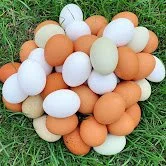
Just when you began buying lettuce and greens, here comes another food safety alert and a recall of eggs!
To be clear - the recall affects six southern states
and eggs sold by Midwest Poultry Services, L.P. The company is based in Indiana and the eggs are produced on Texas farms.
Salmonella is the issue. There have been 8 reported infections and 26 hospitalizations with sickness onset dates traced from late Nov. 2025 to June 2026. Symptoms include fever, diarrhea, nausea, vomiting and abdominal pain.
The affected brands are Kroger, Simple Truth, Brookshire’s and Country Morning. Stores in Texas, Louisiana, Oklahoma, Arkansas, New Mexico and Mississippi are involved.
I am writing this from Minnesota and we are not affected. All that said, it is still good to learn from this recall and be aware of food safety.
But, what about locally grown foods?
Good question.
Purchasing fresh eggs doesn’t mean bacteria free.
A hen can occasionally deposit salmonella inside an egg before the shell forms. Bacteria can also contaminate the outside of the shell after the egg is laid. That’s why proper handling matters regardless where the eggs come from.
So why does locally grown matter in this case?
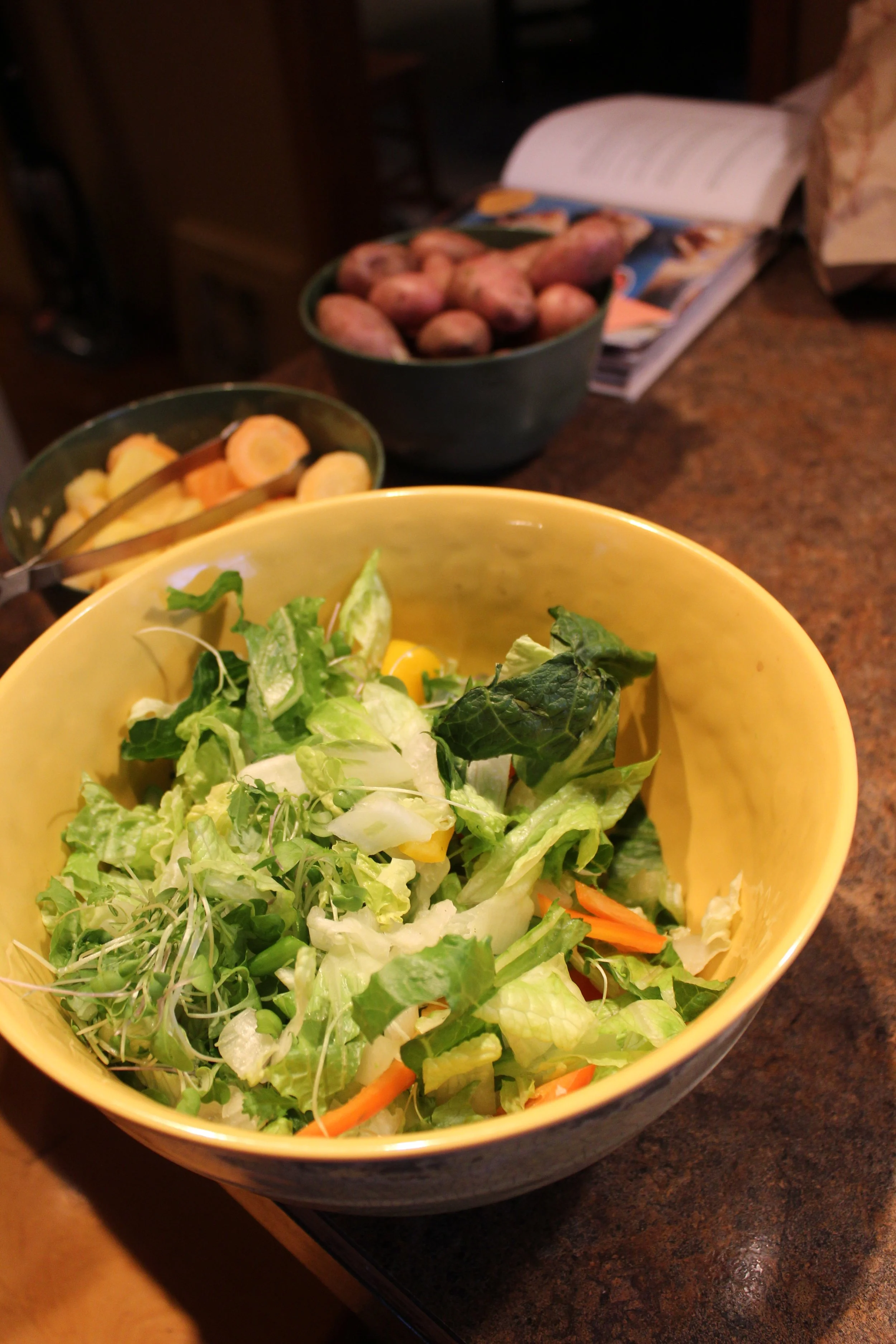
Buying local means you know the source of your food and also how the food is raised.
You can ask questions about how the hens are raised and how often the eggs are collected. You can learn how they are handled. That transparency isn’t always possible with eggs purchased through a large retail supply chain.
If you buy direct from a farm, look for clean nesting boxes. The eggs should be clean and intact with few cracks. The birds should look healthy and eggs collected daily.
those are all signs of a carful producer and are often better indicators of quality than simply “farm fresh.”
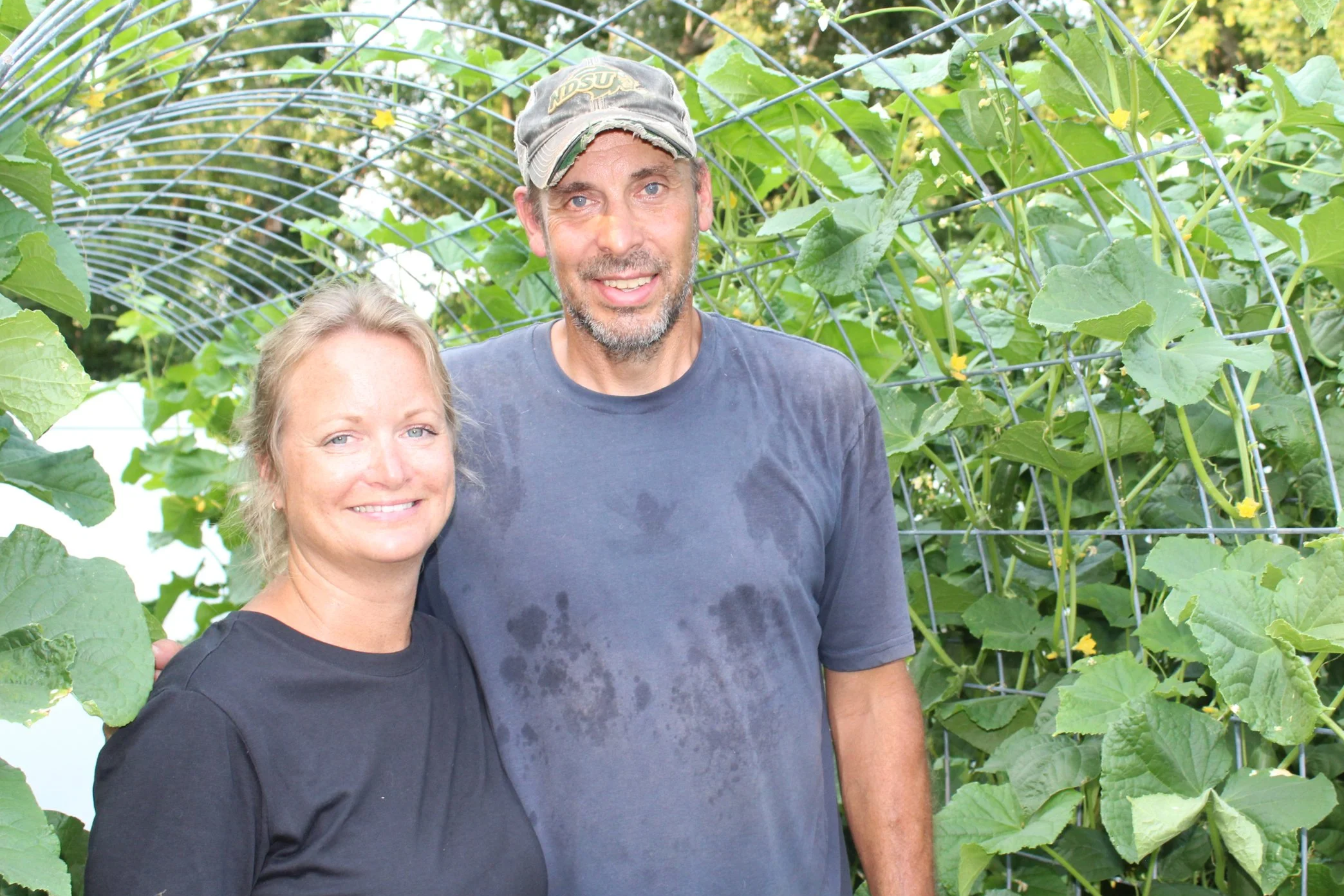
Because you buy local, you know the source of your food and can learn how livestock, produce and fruits are raised.
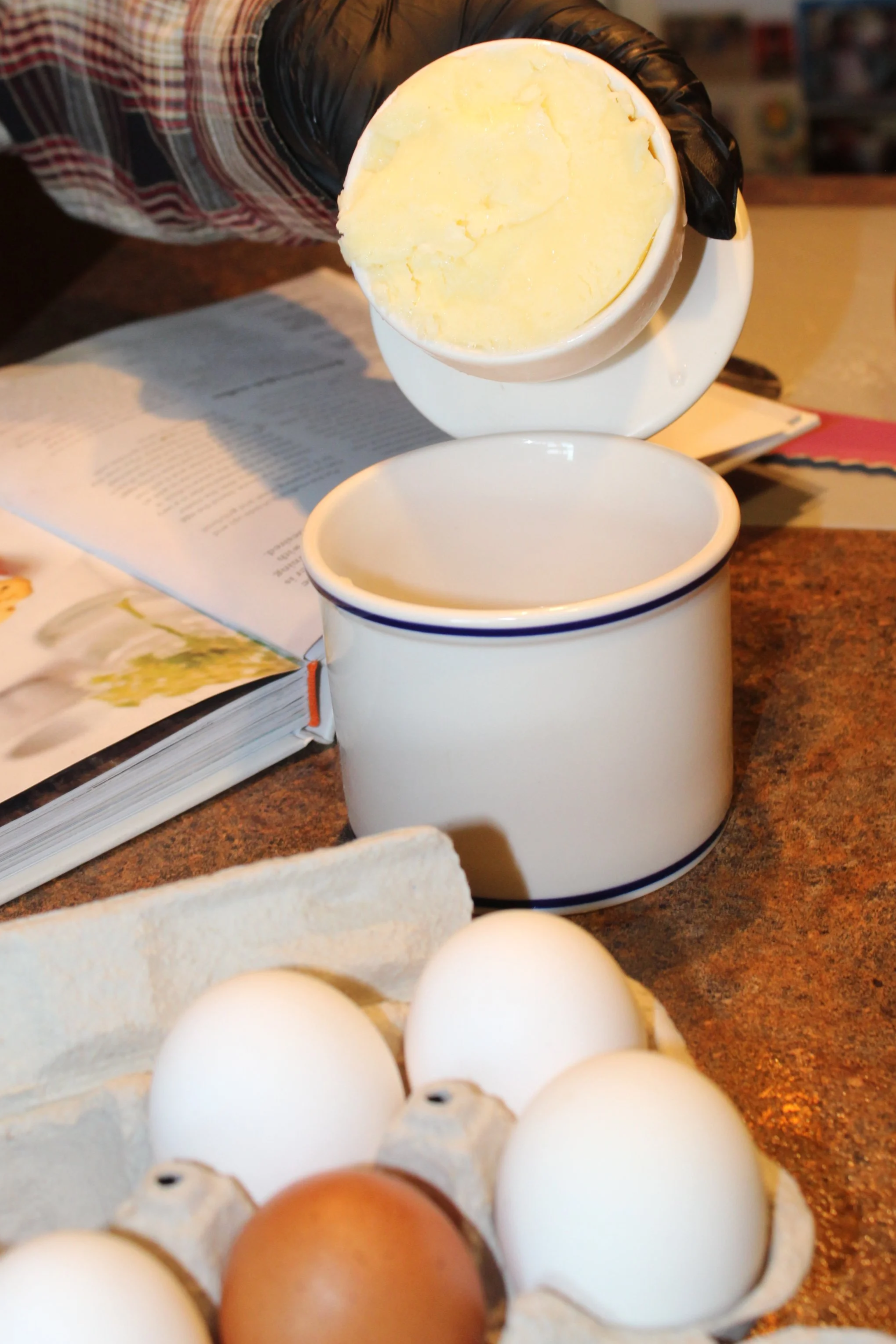
It’s all in how YOU handle the eggs.
I am not talking about handling them carefully, although you should because they ARE eggs, but, rather, in how you prepare the eggs. Thoroughly cooked eggs kills the bacteria!
Current food safety guidelines are to cook until the white and yolk are firm.
For egg dishes like quiche, casseroles or breakfast bakes, cook them to an internal temp of 160 degrees F.
For those recipes that traditionally use raw or slightly cooked eggs, use pasteurized eggs instead. That includes such items a Caesar dressing, homemade mayonnaise, mousse, cookie dough and some frostings.
Refrigeration does NOT kill salmonella. Only thorough cooking does.
If you spot a cracked egg, discard it. Salmonella can go into the crack and into the egg.
Other handling tips:
Refrigerate promptly. Many local farmssell unwashed eggs which still have their natural protective “bloom.”
If the bloom is intact, (unwashed egg) the eggs can be stored at room temperature for a period although refrigeration extends quality.
Once eggs are washed, they should be refrigerated continuously.
Whatever method your producer uses, consistency is important.
Don’t wash eggs before storing them.
If you buy unwashed eggs, it’s generally better to wash them just before using them, not before putting them away. Washing removes the protective bloom.
Use common sense hygiene.
•Wash hands after handling
•Clean counters and utensils.
•Don’t let raw egg drip on other foods.

Make sure to cook thoroughly for those at higher risk.
Young children, pregnant women and anyone with a weakened immune system should avoid raw or lightly cooked eggs. Again, cook eggs until both the yolk and white are firm.
The bottom line at any time….
Do your own due diligence whenever it comes to really any part of your life and that includes knowing about the food you are consuming.
Knowledge is powerful.
You don’t have to eliminate eggs from your meal plan, just be informed. Proper cooking and handling is key.
And talk to your local grower. Ask questions. Establish a connection.
UPDATE: Just as I was finishing this story to be published, my husband informed me there is a recall of Maple Leaf Foods bacon. Maple Leaf is a Canadian pork processor and this particular lot skipped a required border inspection. No illnesses have been reported.
That said, locally grown pork that is processed at local plants is inspected by USDA officials.
Know your producer and learn where meat is processed.