Root vegetable storage and preserving Part I
Farmers Markets are ending, but before they do, there is still an opportunity to get some great produce to prepare for winter.
Here are some items to look for and what to do with them:
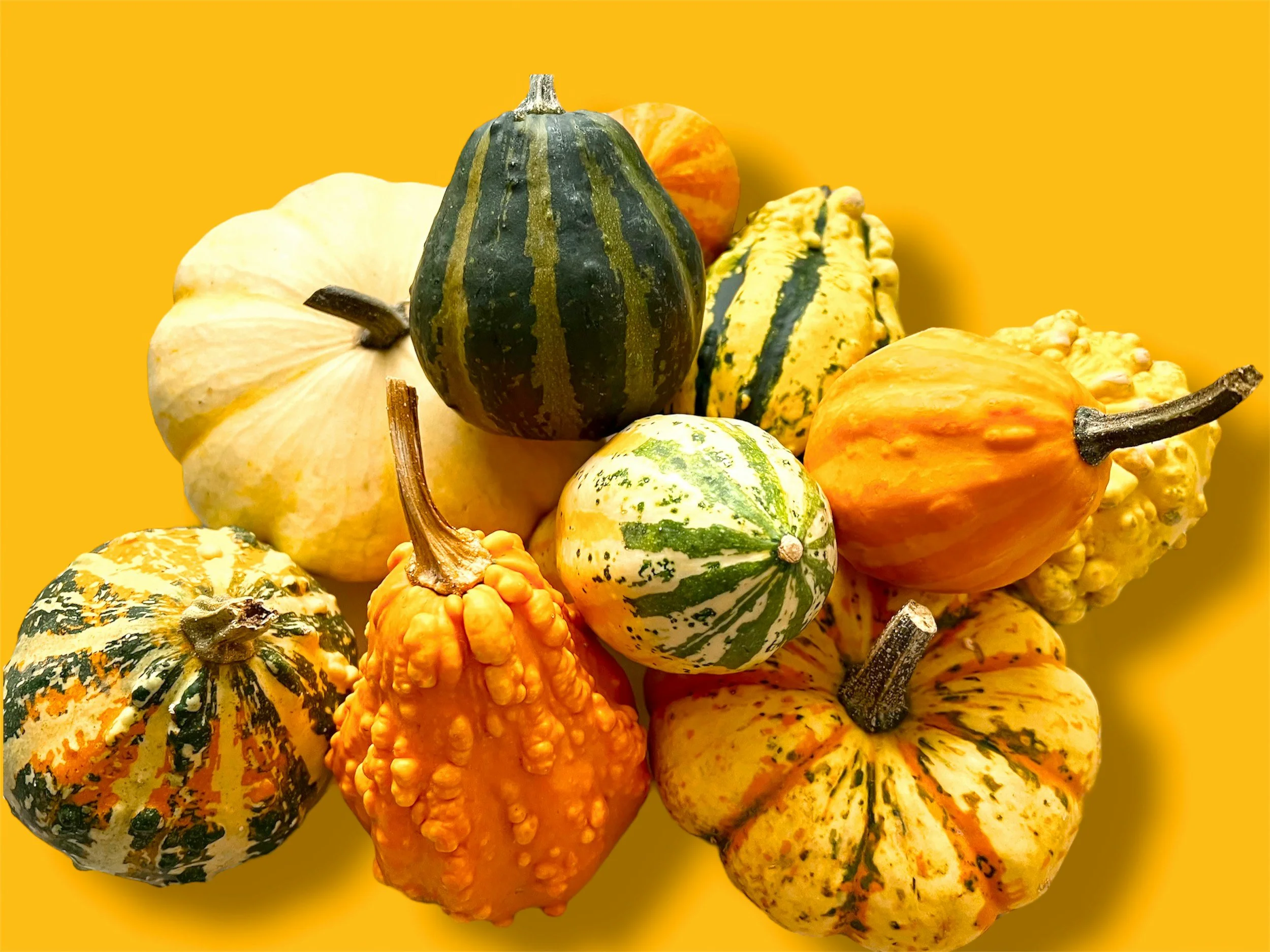
Even if you don’t have a root cellar, you can store root vegetables and squash - and also freeze them using the methods mentioned
Squash:
Ask the grower if the squash has been cured. This simply means the rind has hardened. To do this Leave the stem on. Cure I warmth in a dry and well ventilated area for 7-10 days (skip this step for acorn squash. It doesn’t need curing) Then test for readiness. The squash is cured when the skin becomes tough enough that you can’t dent your fingernails in the skin.
Choose the right indoor location.
The temp should bee between 50 to 60 degrees - a cool basement, utility room or unheated nest room or a dry crawl space/closet floor. Avoid freezing areas or the refrigerator.
Airflow: Store them in a single layer inside an open cardboard box, wire baskets or perforated crates. Don’t stack them in deep piles or seal them in plastic bags.
Keep them off the floor. Elevate crates or boxes off concrete floors using wooden palettes or shelves to block dampness.
Keep away from ethylene gas. Never store squash near apples, pears, tomatoes or peppers as those emit ethylene gas that will cause the squash to rot faster.
Maintain and rotate:
Check weekly. Inspect it and remove any that develop soft spots or mold.
Eat them in order of shelf life:
-Acorn Squash: 1-2 months
-Spaghetti squash - 2 months
-Butternut squash: 2-6 months.
-Hubbard squash - 5-7 months.
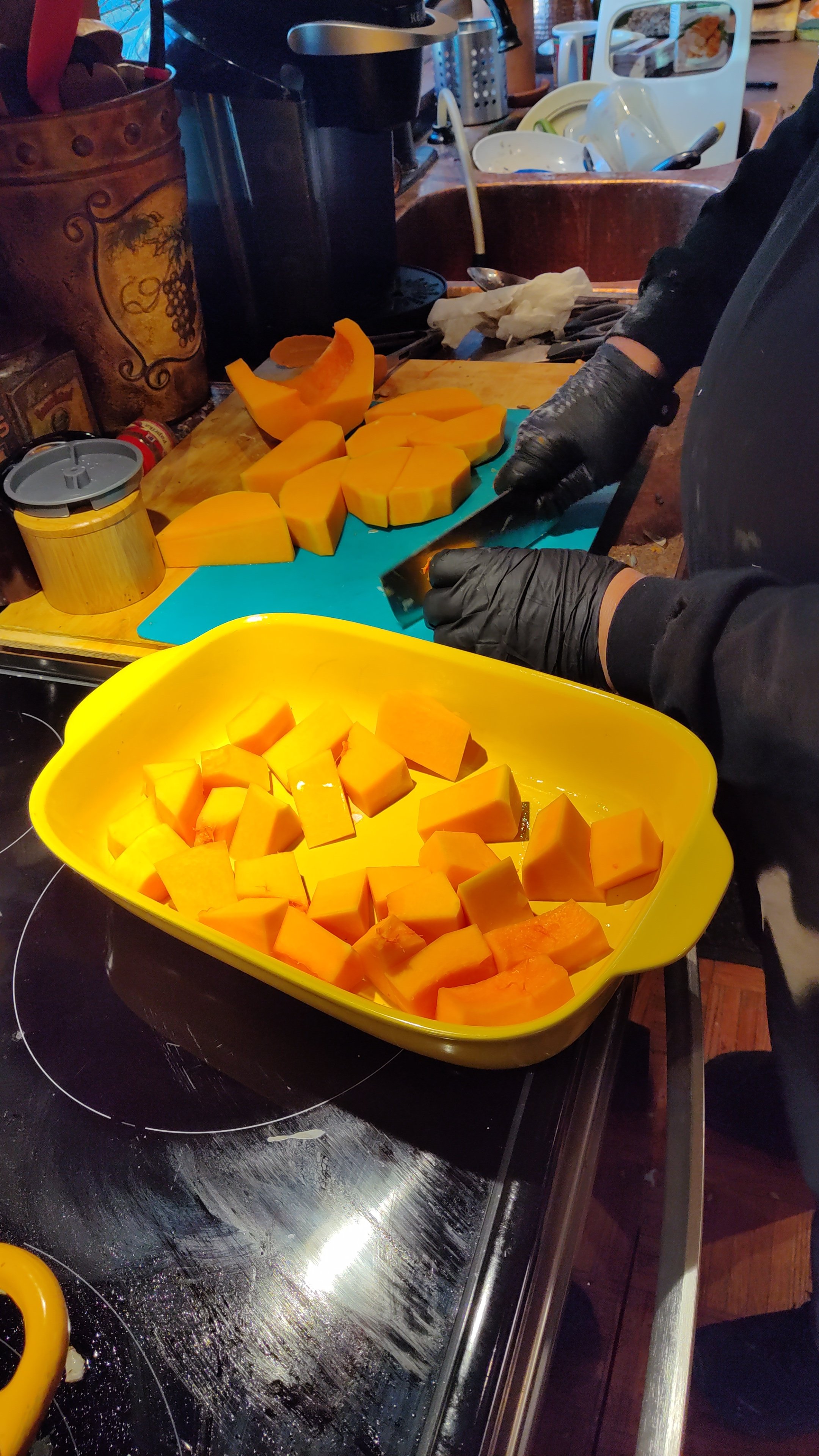
Freeze them: To freeze in cubes, peel the skin of the squash, cut it vertically and remove seeds. Cut it in cubes.
Blanch the cubes by dropping them in boiling water for 3 minutes. This flash cooks the outside and locks in the color and nutrients without making them mushy
Ice bath and dry - Immediately transfer the cubes to a bowl of ice water for 3 minutes to stop cooking. Drain well and pat them completely dry. Any water left on them will turn to ice crystals.
Flash Freeze the cubes by spreading dry cubes on a parchment lined baking sheet in a single layer, ensuring they aren’t touching. Freeze for 1-2 hours until solid. They will store in a freezer bag for 10-12 moths.
To reheat: Don’t thaw! Toss the cubes in soups or to roast - coat with olive oil and roast at 400 degrees F from freezer.
Freezing as a puree:
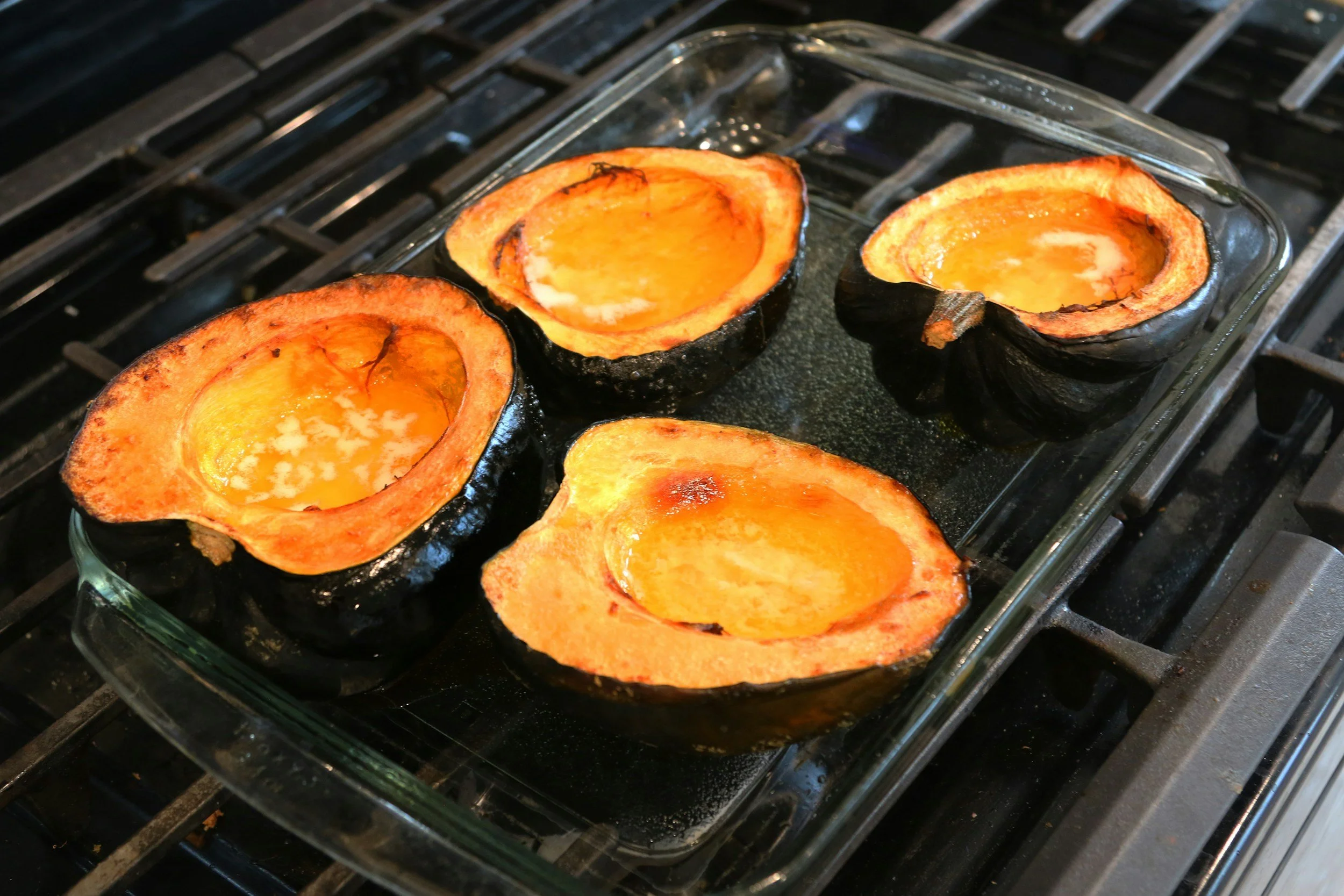
•Roast squash - slice squash and remove seeds. Bake it (with squash face down) in a 400 degree F oven for 45-60 minutes.
•Blend - let it cool, scoop out flesh and blend it until smooth. Drain if it is watery.
•Pack - in serving-sized freezer bags
To reheat - thaw bags in fridge or submerge bag in hot water.
What to do if skin is too tough for you to peel?
•Soften the skin by pricking the surface several times with a fork or skewer. This lets steam escape so it doesn’t burst.
•Trim the ends - slice off about 1/2 inch from the top and again the bottom to create a stable flat base.
•Microwave briefly - place the squash in the microwave on high for 3 to 4.5 minutes (depending on size). This slightly softens the tough outer skin without cooking the inside flesh.
•Cool down - let the squash rest for 10 minutes so its safe to handle.
•Peel the skin off and cube. Use a standard vegetable peeler. The skin will slide off. Cut it in manageable halves, cook out seeds with a spoon and dice into cubes for roasting.
Potatoes
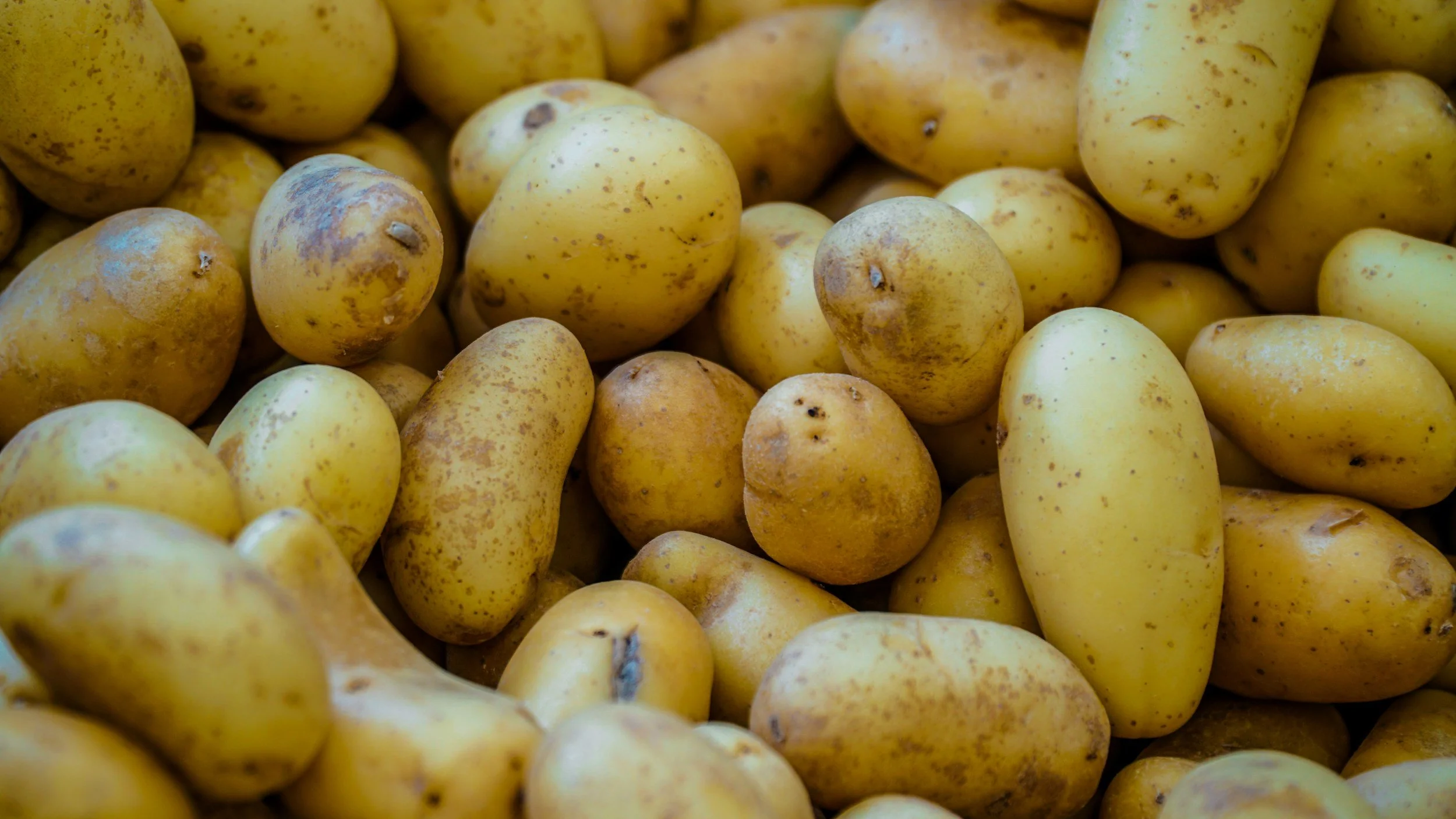
Store in a cool, dark and well-ventilated space such as a pantry, dark cupboard or wire basket with ideal temps ranging from 45-55 degrees F.
-These do best in a single layer inside a loosely open cardboard box that helps them maintain a firm texture and rich flavor for up to two months.
Key rules:
•Do not wash before storing - that promotes mold and bacteria. Wash before using
•Allow airflow. Use a mesh bag, paper bag or basket inside of a sealed plastic bag.
•Keep them dark
•Separate from onions
•Avoid the fridge generally
•Inspect regularly.
Freeze them: Yes, you can freeze potatoes, but not raw.
Prep: Wash, peel if desired and cut potatoes into desired shape - cubes, wedges, fries
Parboil: Boil the cut potatoes in salted water for 2-5 minutes and up to 10 minutes for whole or larger pieces until the potatoes are fork tender on the outside but still firm on the middle.
Ice bath: Immediately plunge the boiled potatoes completely dry with a clean kitchen towel or paper towels.
Flash freeze: Spread the pieces in a single layer on a parchment-lined baking sheet and freeze for several hours until solid.
Store: Transfer the frozen pieces into labeled freezer bags or vacuum sealed bags. They keep well for 10 to 12 moths.
When you use them, don’t thaw in the fridge.
Cook roasted potatoes, wedges or fries directly from frozen by baking, airfying or deep frying.
Note: Mashed potatoes can be fully cooked, mixed with butter or cream and portioned flat into freezer bags and reheated gently in a pan or baked in the oven.
And there’s more!
We will be looking at other root vegetables and how they all can be a part of winter meals. First, though, we will continue to look at storage and freezing the winter season vegetables.
Look for more fall/winter in season vegetables in Part 2 of What’s in season for fall/winter?
And even though it’s the end of the seasonal farmers market, look for winter markets, pop-up farmers markets and check out a food co-op or natural food store near you.
We will be exploring some of these winter local food buying options in the in the coming months.
Winter. It’s a great time! Even in Minnesota where we can have strong winds, freezing temperatures and ice and snow, the change in seasons is what makes it all exciting.
And as the Norwegians say, “It’s not bad weather, just bad clothing.”